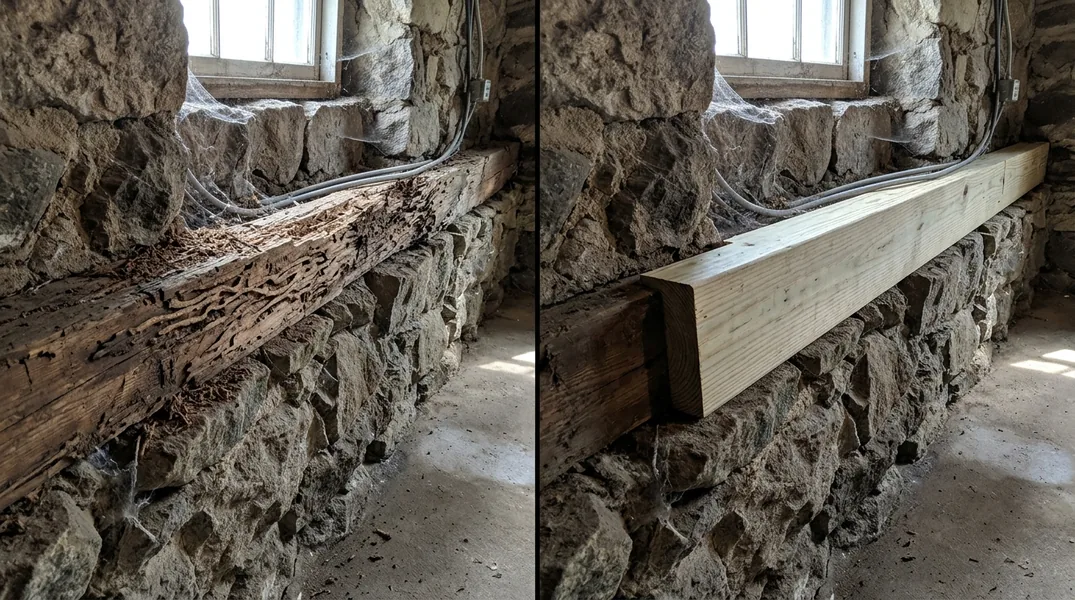
Why Identifying Wood Damage Matters
If you own a home in Providence, you've likely heard horror stories about wood-eating pests and fungi destroying the structural integrity of houses. The truth is, three main culprits can wreak havoc on your home's wooden components: dry rot, carpenter ants, and termites. While they all damage wood, they do so in very different ways, and the treatment approach for each is completely different.
Understanding which pest or fungus you're dealing with is the first step toward protecting your investment. Misidentifying the problem could lead you down the wrong path, wasting time and money on ineffective treatments. This guide will help you spot the telltale signs of each threat so you can take action quickly and confidently.
What Does Wood Rot Look Like? Understanding Dry Rot
Dry rot is actually a fungal disease, not an insect infestation. Despite its name, dry rot thrives in damp conditions where wood moisture levels exceed 20%. It spreads through microscopic spores and breaks down the cellulose in wood, leaving it weakened, crumbly, and discolored. When you suspect dry rot, look for wood that appears dark brown or grayish and has a distinctive cubed or blocky cracking pattern. The wood often feels soft and crumbles easily when you press it with a screwdriver or knife.
One of the most telling signs of dry rot is the presence of a thin, grayish-white mycelium (fungal threads) on the wood surface or nearby areas. You might also notice a musty, earthy smell, which is the fungus releasing spores. Dry rot can spread rapidly through your home, especially in poorly ventilated areas like crawl spaces, basements, and under sinks. If you suspect Wood Rot & Dry Rot Repair is needed, don't wait. Contact Providence Carpentry Pros at (401) 414-0963 for a professional inspection.
Carpenter Ant Damage vs. Termite Damage: Key Differences
Both carpenter ants and termites tunnel through wood, but they do it in distinctly different ways. Carpenter ants are large black or reddish ants that excavate wood to create galleries for nesting. They don't actually eat the wood like termites do; instead, they chew through it and leave behind smooth, clean tunnels. If you split open infested wood, you'll see sawdust-like debris (called frass) scattered around the galleries. Carpenter ant damage often has a sandpapered appearance on the interior surfaces.
Termites, on the other hand, consume wood as their primary food source. They eat both the cellulose and the lignin in wood, leaving behind a honeycomb-like structure. Subterranean termites, which are common in the northeastern United States including Providence, build mud tubes to travel between their colonies and food sources. These pencil-thin tubes on foundation walls, basement beams, or crawl space walls are a classic sign of termite activity. Drywood termites, which are less common in our region, leave behind tiny pellets of frass that look like sawdust.
Signs of Termite Damage in Wood: What Homeowners Should Know
Identifying Termite Damage Repair early can save you thousands of dollars in structural repairs. One of the most obvious signs is the presence of mud tubes on foundation walls, piers, or wooden beams. These tubes are highways that termites use to travel while staying moist and protected from air exposure. You might also notice wood that sounds hollow when tapped, wood that appears blistered or bubbled on the surface, or wood that feels soft and spongy.
Swarmers are another telltale indicator. During spring and early summer, termite colonies send out winged reproductive termites (swarmers) to establish new colonies. If you notice discarded wings around windowsills, light fixtures, or foundation cracks, termites may be actively swarming in your home. Additionally, termite frass looks different from carpenter ant frass. Termite pellets are tiny, hard, and often found in piles near infested wood or within wall cavities. If you suspect termite activity, professional inspection is critical because termites can cause severe structural damage quickly.
How to Tell Carpenter Ant Damage from Dry Rot and Termites
The challenge for homeowners is that all three threats can damage wood, but the visual clues and patterns are different. Carpenter ant galleries are clean and smooth, almost like someone used a router to carve them out. The wood surrounding the damage typically remains structurally sound, and you'll often find live ants or ant trails nearby. Dry rot, by contrast, causes the wood to crumble and crack into cubes, with a much softer, more degraded appearance. Termite damage falls somewhere in between, creating a honeycomb pattern but leaving the outer shell of wood intact initially.
Another key difference lies in moisture. Dry rot requires moisture to thrive, so it's most common in damp areas like basements, bathrooms, and areas with roof leaks. Carpenter ants also prefer moisture but can survive in drier wood. Termites, particularly subterranean termites in our region, maintain moisture by staying in contact with soil or building mud tubes. If you discover wood damage in a dry attic, carpenter ants are more likely than termites. If you find damage near the foundation or in a crawl space with mud tubes, termites are the probable culprit. If you see crumbling, cubed wood with a musty smell, dry rot is most likely.
When to Call a Professional for Wood Damage Repair
While identifying the type of damage is important, determining the extent and best repair strategy requires professional expertise. Providence Carpentry Pros specializes in diagnosing and repairing all types of wood damage, whether it's dry rot, carpenter ant damage, or termite destruction. Our team will perform a thorough inspection, identify the root cause, and recommend the most effective repair approach.
Depending on the severity and location of the damage, repairs might involve simple wood replacement or more complex structural work like Floor Joist & Subfloor Repair or even Beam Replacement & Load-Bearing Wall Removal. The cost and complexity vary significantly based on what you're dealing with. For a detailed assessment and pricing information tailored to your specific situation, reach out to us today for a free estimate. Call (401) 414-0963 to schedule your inspection.
Looking for a professional carpentry contractor in Providence? Providence Carpentry Pros responds fast for all your carpentry needs.
Get a Free QuoteOur services: Wood Rot & Dry Rot Repair · Termite Damage Repair · Floor Joist & Subfloor Repair