Understanding Ice Dam Damage and Insurance Coverage
Ice dams are a common winter problem for homeowners in Providence and the surrounding region. They form when snow melts on your roof, runs down to the eaves, and refreezes in the colder overhang area, creating a barrier that traps water behind it. This trapped water can back up under your shingles and seep into your attic, walls, and insulation, causing significant damage over time.
When it comes to insurance coverage, ice dam damage itself is typically covered by standard homeowners policies, but there are important nuances to understand. Most insurers will cover the sudden and accidental damage caused by an ice dam, such as water damage to your interior walls, ceilings, and personal property. However, coverage depends heavily on how the damage occurred and whether your policy includes water damage protection. It's crucial to review your specific policy language, as some insurers may deny claims if they determine the damage resulted from lack of home maintenance, such as inadequate attic insulation or poor gutter upkeep.
Is Wood Rot Covered by Homeowners Insurance?
This is one of the most frequently asked questions we hear at Providence Carpentry Pros, and the answer is unfortunately complex. Most standard homeowners insurance policies do not cover wood rot as a standalone claim. Insurance companies typically classify wood rot as a maintenance issue rather than a sudden, accidental loss. Since rot develops gradually over time due to moisture exposure, it falls outside the scope of what insurers consider a covered peril.
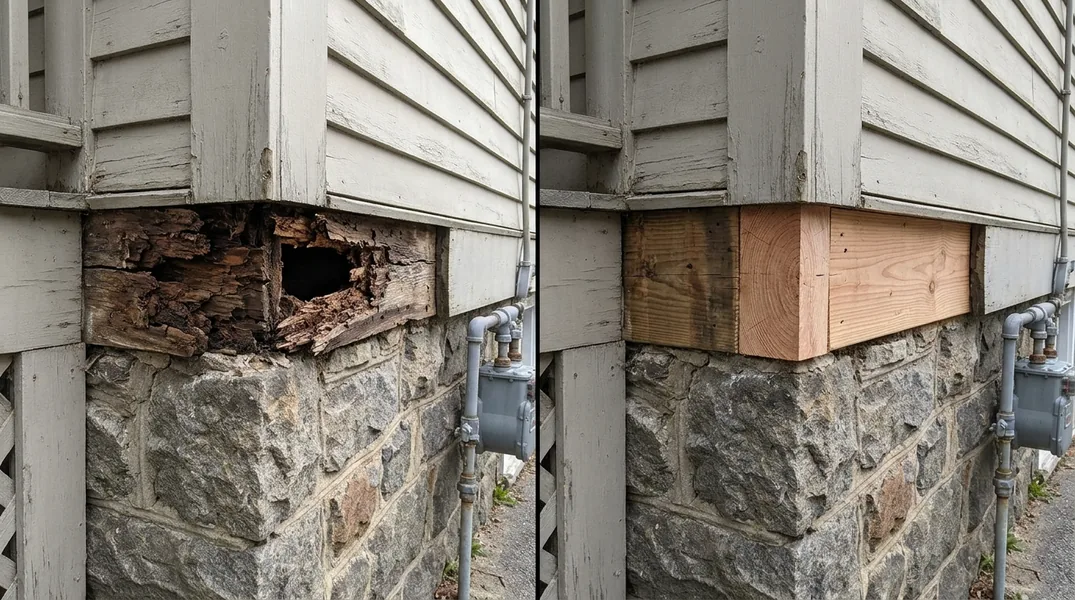
However, there is an important exception: if the wood rot was directly caused by a covered event, such as water damage from an ice dam, burst pipe, or roof leak from a storm, your insurer may cover the resulting rot damage. For example, if an ice dam causes water to enter your home and that water subsequently causes Wood Rot & Dry Rot Repair to your fascia boards or interior framing, you may have a valid claim. The key is demonstrating the direct causal link between the covered event and the rot damage. Documenting the sequence of events with photos and professional inspections is essential when filing such a claim.
Fascia Rot Repair and Insurance Claims in Providence
Fascia boards are particularly vulnerable to ice dam and water damage because they sit at the edge of your roof, directly in the path of melting snow and ice. When water backs up behind an ice dam or overflows from clogged gutters, the fascia is often the first structural component to suffer rot. Providence homeowners frequently discover fascia rot when inspecting their homes after a harsh winter or when preparing to file an insurance claim.
If you discover fascia rot following a specific water damage event, such as an ice dam or storm damage, you should document everything carefully. Take clear photos of the damage, the ice dam (if still present), and any water stains or evidence of the incident. Contact your insurance company promptly and file a claim that specifically describes how the water damage led to the rot. Many insurers will cover fascia rot repair costs when the rot is proven to be a direct result of a covered peril. However, if the rot appears to be chronic or caused by years of neglect, your claim may be denied. This is why timely action and professional documentation are critical components of a successful claim.
How to File a Wood Rot Insurance Claim Successfully
Filing a wood rot insurance claim requires careful preparation and clear documentation. The first step is to stop the source of moisture immediately. If water is still entering your home due to an ice dam, damaged roof, or leaking gutters, address that problem right away. Your insurance company will likely deny a claim if you allow additional damage to occur after discovering the initial problem.
Next, document the damage thoroughly. Take multiple photos and videos from different angles, showing the extent of the rot, any visible water damage, and the conditions that led to the problem. If you discovered the damage following an ice dam, photograph the dam itself if it's still present. Write down the date you first noticed the problem and any weather events that preceded it. Then, contact your insurance agent or claims department to report the damage. Be prepared to describe exactly how the water entered your home and why you believe the rot resulted from a covered event rather than simple neglect.
Many insurance companies will send an adjuster to inspect the damage in person. During this inspection, be honest and provide all documentation you've gathered. If the adjuster questions whether the damage is covered, you may want to hire a professional contractor to provide a written assessment of the damage and its cause. At Providence Carpentry Pros, we can provide detailed inspection reports that clearly document the extent of wood rot and explain how it likely resulted from water intrusion. Having professional documentation significantly strengthens your claim.
Prevention Strategies to Avoid Ice Dam and Wood Rot Damage
The best approach to ice dam and wood rot damage is prevention. Proper attic insulation and ventilation are your first line of defense against ice dams. When your attic is too warm, snow on your roof melts prematurely, creating the conditions for ice dams to form. Ensure your attic has adequate insulation (typically R-38 to R-60, depending on your climate) and that air can flow freely through soffit and ridge vents. Clogged gutters also contribute to ice dam formation by trapping water, so clean your gutters before winter arrives and consider installing gutter guards to reduce maintenance.
Regular roof and exterior inspections are equally important. Look for missing shingles, damaged flashing, and signs of water intrusion in your attic and upper walls. Address any roof leaks immediately to prevent moisture from accumulating in your framing. Inspect your fascia, soffits, and trim regularly for early signs of rot or discoloration. If you live in Providence, where winter weather is particularly harsh, consider having a professional inspect your roof and exterior before the cold season begins. Early detection of potential problems can save you thousands in repair costs and prevent the need to file an insurance claim.
Wood Rot and Dry Rot Repair Near Me: When to Call a Professional
If you've discovered wood rot in your home, whether or not it's covered by insurance, professional repair is essential. Wood Rot & Dry Rot Repair requires proper diagnosis, removal of affected wood, treatment of moisture sources, and replacement with sound materials. Attempting to repair wood rot yourself often leads to incomplete removal of diseased wood or failure to address the underlying moisture problem, both of which can allow the rot to return.
Providence Carpentry Pros specializes in identifying the root cause of wood rot and providing comprehensive repairs that prevent recurrence. Our team can assess whether your damage is likely covered by insurance, help you document the claim, and provide professional repair estimates. Whether you're dealing with fascia rot, structural beam damage, or rot in hidden areas like crawl spaces, we have the expertise to restore your home to sound condition. If you've experienced ice dam or water damage and suspect wood rot may be developing, don't wait. Contact us today at (401) 414-0963 or request a free estimate to have your home professionally evaluated.
Looking for a professional carpentry contractor in Providence? Providence Carpentry Pros responds fast for all your carpentry needs.
Get a Free QuoteOur services: Wood Rot & Dry Rot Repair · Termite Damage Repair · Floor Joist & Subfloor Repair