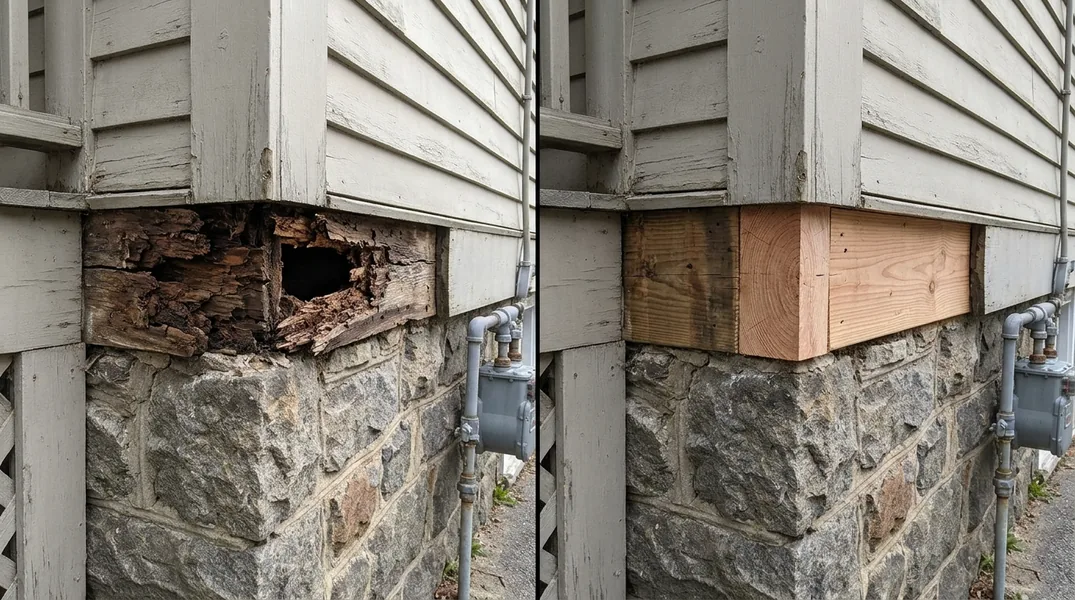
Why Historic Homes in Providence Demand Different Care
Owning a Providence historic home, whether a stately College Hill Colonial or a charming Elmwood Victorian, comes with unique responsibilities. These homes were built with craftsmanship and materials that differ significantly from modern construction. The original timber framing, hand-cut joists, and old-growth lumber have character and longevity, but they also require an understanding of their specific vulnerabilities and maintenance needs.
The climate of New England, combined with the age of these structures, creates a perfect storm for wood deterioration. Freeze-thaw cycles, moisture infiltration, and decades of seasonal exposure take their toll. Unlike newer homes where problems develop over 15 to 20 years, historic homes can hide serious structural issues for decades before they become visible. By then, what started as surface-level moisture damage has become a costly structural concern. Understanding the honest realities of wood maintenance in historic homes helps you make informed decisions and budget appropriately for repairs.
Understanding Wood Rot vs. Dry Rot: What's Actually Happening to Your Home
Wood Rot & Dry Rot Repair are two distinct problems that homeowners often confuse, yet they require different approaches. Wood rot, also called wet rot, occurs when wood moisture content exceeds 20 percent, allowing wood-decay fungi to thrive. You'll typically see soft, spongy wood that darkens and may feel mushy when probed. Dry rot, despite its name, also requires moisture to develop, but it's caused by a specific fungus that can spread through masonry and across large areas of timber, even if the wood itself appears dry to the touch.
The danger of dry rot lies in its aggressive spread. It can travel through mortar joints, across stone, and into structural timbers, potentially compromising the integrity of walls, floors, and roof systems. In historic Providence homes with original masonry and timber framing, dry rot can be particularly destructive because it exploits the very materials that define these buildings. Early detection is critical. If you notice a musty smell in a basement, soft spots in floor joists, or discolored patches on exterior clapboard, professional assessment is essential. The longer you wait, the more extensive and expensive the repair becomes.
Wood Clapboard Repair and Exterior Maintenance: Protecting Your Home's First Line of Defense
Wood clapboard repair is one of the most visible yet often neglected aspects of historic home maintenance. The exterior clapboard serves as your home's primary barrier against weather, and in Victorian and Colonial homes, it's often original or period-appropriate material that adds significant character and value. However, clapboard is constantly exposed to rain, snow, sun, and temperature swings. Paint failure, wood shrinkage, and moisture penetration are common problems that accelerate decay if left unaddressed.
Many homeowners assume that painting over damaged clapboard will solve the problem, but this approach typically masks deeper issues. Moisture trapped beneath paint continues to cause rot, and within a few years, the problem worsens significantly. Proper clapboard maintenance involves regular inspection, prompt paint repair, and replacement of severely damaged boards before rot spreads to the underlying sheathing and framing. In historic homes, finding matching wood that replicates the original profile and grain can be challenging, which is why working with specialists experienced in historic home repair matters. Preventive maintenance, including proper drainage around the foundation and ensuring gutters direct water away from the home, protects your clapboard investment and prevents costlier structural repairs down the line.
Floor Joist and Subfloor Damage: Why Your Historic Home's Bones Matter
Floor Joist & Subfloor Repair often represents one of the most significant expenses in historic home restoration, yet many homeowners don't realize the extent of damage until they notice sagging floors or soft spots. Original floor joists in Colonial and Victorian homes were typically hand-hewn or pit-sawn timber, often larger in cross-section than modern dimensional lumber. However, these timbers are vulnerable to moisture, insect damage, and wood rot, particularly in basements and crawl spaces where humidity levels remain high.
The challenge with floor joist repair in historic homes is that these structural members are often load-bearing and interconnected in ways that modern homes are not. Simply replacing a damaged joist requires careful assessment of the entire floor system and how loads transfer through the structure. Additionally, if one joist shows rot or damage, adjacent joists likely have similar issues due to shared moisture exposure. Professional inspection can determine whether localized repairs are sufficient or whether more comprehensive work is needed. Ignoring floor damage doesn't just create comfort issues; it can lead to catastrophic failure and compromise the safety of your home.
Historic Home Maintenance: Creating a Realistic Long-Term Plan
Successful ownership of a historic home requires shifting your mindset from reactive repair to preventive maintenance. Rather than waiting for visible damage to appear, proactive homeowners develop a comprehensive maintenance schedule that addresses the most vulnerable areas first. Begin with a professional inspection of your entire home, focusing on areas prone to moisture: basements and crawl spaces, roof penetrations, chimney flashing, and exterior clapboard. Understanding the current condition of your home gives you a baseline and helps prioritize repairs based on urgency and budget.
Document everything you discover during inspections and maintain records of all repairs and maintenance work. This information becomes invaluable when you eventually sell your home and helps you track patterns that might indicate emerging problems. For example, if you notice moisture appearing in the same basement corner every spring, that's a drainage issue that needs addressing before it causes structural damage. Many historic home issues are interconnected, so solving one problem often prevents several others. When you're ready to tackle repairs or need professional guidance, Providence Carpentry Pros understands the specific challenges of historic homes in the region. Reach out for a free estimate and get expert advice tailored to your home's unique needs.
Budgeting for Historic Home Repair: Understanding Realistic Costs
One of the most honest conversations homeowners need to have is about repair pricing and long-term budgeting. Historic home repairs typically cost more than repairs to newer homes for several reasons. First, the materials themselves often cost more because they must match original specifications and aesthetics. Second, the labor is more specialized, requiring craftspeople with experience working with old materials and construction methods. Third, once contractors begin removing damaged wood or opening walls, they frequently discover additional problems that weren't visible during initial inspection, adding to the scope and cost of work.
Rather than viewing these costs as unexpected expenses, consider them investments in preserving your home's structural integrity and historical value. A Wood Rot & Dry Rot Repair project that costs $5,000 today prevents a $50,000 structural failure in five years. Setting aside funds annually for maintenance and repairs helps you manage costs over time rather than facing emergency situations. When requesting estimates, ask contractors to explain what they're seeing, why the work is necessary, and what will happen if you delay. This conversation helps you make informed decisions about your home's care. For homeowners in Providence and surrounding areas, Providence Carpentry Pros provides transparent pricing and detailed explanations of the work involved. Call (401) 414-0963 to discuss your specific situation and get honest guidance about your home's repair needs.
Looking for a professional carpentry contractor in Providence? Providence Carpentry Pros responds fast for all your carpentry needs.
Get a Free QuoteOur services: Wood Rot & Dry Rot Repair · Termite Damage Repair · Floor Joist & Subfloor Repair